



Blog
Why the Vacheron Constantin Historiques American 1921 Is a Masterpiece
Dec
Key Takeaways:
- The American 1921 revives a tiny 1920s production run of tilted “driver’s watches” made specifically for the US market
- Its cushion case, 45‑degree diagonal dial, and off‑corner crown make it one of the most distinctive dress watches in modern high horology
- Inside, the hand‑wound Caliber 4400 AS with Geneva Seal finishing delivers true haute horlogerie, not just quirky design
- Modern references in 36.5 mm and 40 mm, across pink gold, white gold, and platinum, offer options for different wrists and tastes
The Roaring Twenties on Your Wrist: Origins of an Icon
Picture the early 1920s: jazz clubs, speakeasies, Art Deco architecture, and the birth of the modern automobile culture. In that world, Vacheron Constantin quietly produced a small series of asymmetrical watches for the American market—pieces that would later inspire the Historiques American 1921. Fewer than a few dozen originals were made across those early references, which turned them into near-mythical objects for collectors.
Those watches disappeared into private collections and museum drawers, but the idea never really died. When Vacheron reintroduced the American 1921 in the 21st century, it wasn’t chasing hype. It was resurrecting a niche design that captured the optimism and eccentricity of the Roaring Twenties and making it wearable every day.
Born in 1921: A Limited Experiment
The original 1920s models were essentially an experiment: tilted dials, cushion cases, and unusual crown placement at a time when most wristwatches were still converted pocket watches. They were aimed at a small circle of progressive American clients who wanted something modern and daring.
Because production was so limited, the design never had a chance to go “mainstream” in its own time. That scarcity is precisely what gives today’s American 1921 its aura—modern owners feel like they’re part of a secret continuation of a forgotten idea.
The “Driver’s Watch” Functionality
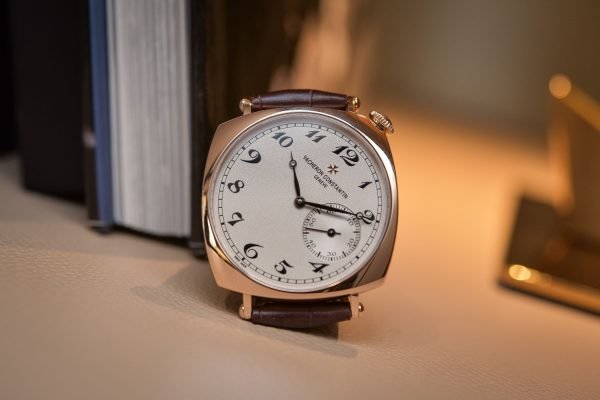
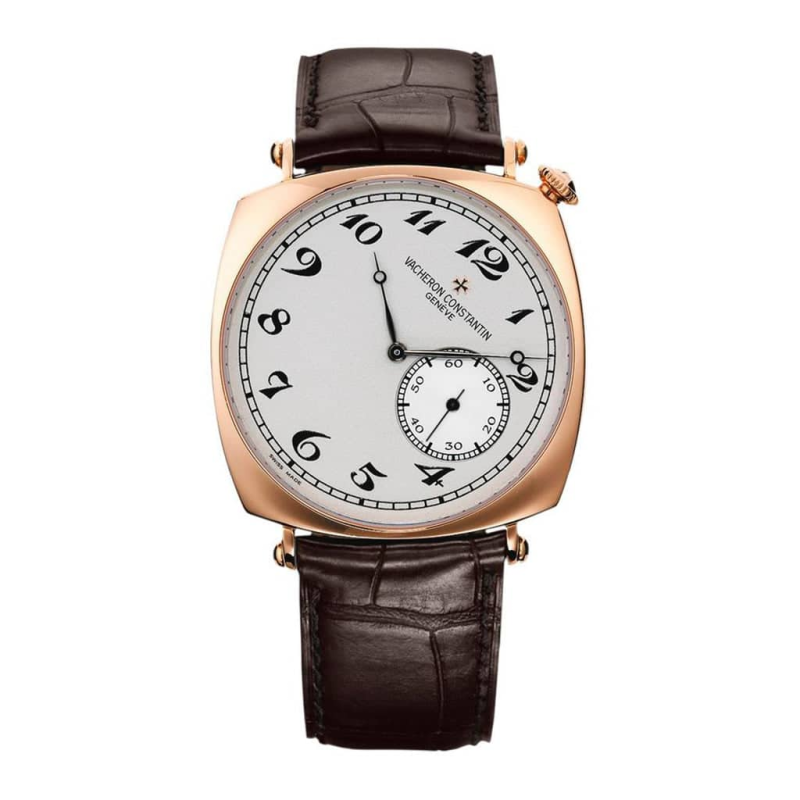
The defining feature is the rotated dial. On the American 1921, the 12 o’clock numeral sits closer to where you’d normally see 1:30–2:00. When you’re holding a steering wheel with both hands and glance down, the dial appears upright. That is the essence of a driver’s watch: it optimizes legibility for the driving position, not for staring straight at your wrist at a desk.
In an age when most so‑called driver’s watches rely on marketing more than ergonomics, the American 1921 stands out as a rare case where the story is structurally built into the object.
Deconstructing the Design: Why It Defies Convention
From a distance, the American 1921 looks elegant and slightly unusual. Up close, every angle breaks from convention in a deliberate way.
The Cushion Case: Not Square, Not Round
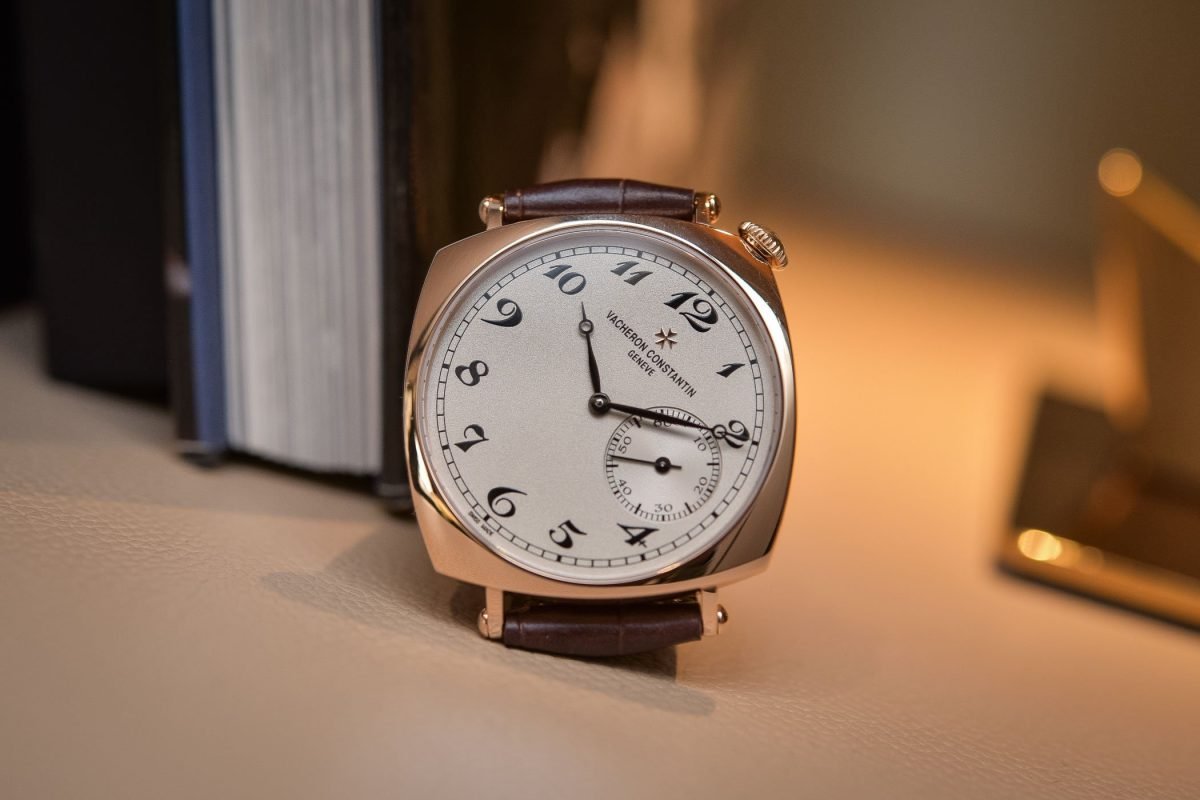
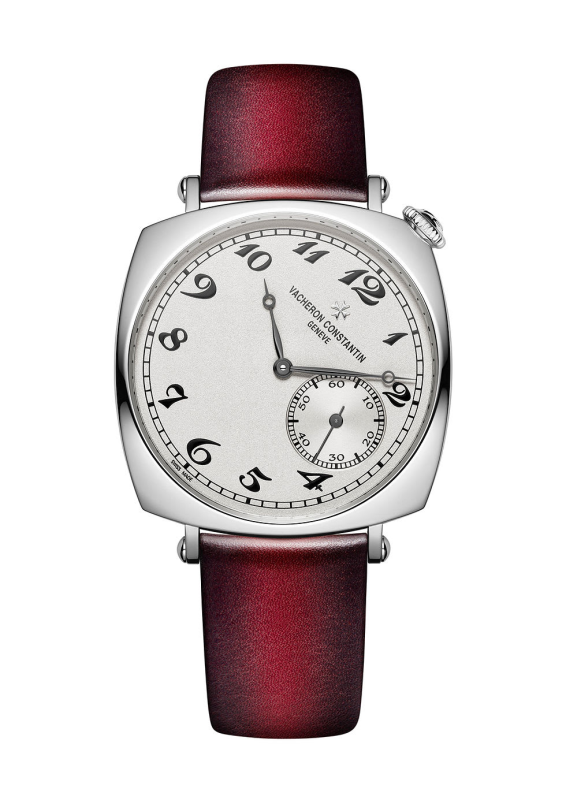
The case is cushion‑shaped—a soft square with rounded corners and curved flanks. This geometry sits between the familiar round dress watch and the sharper lines of square or rectangular designs. Because the lugs flow organically from the case, the watch hugs the wrist, and the shape visually compresses the dimensions.
On paper, 40 mm might sound large for a dress piece, but the cushion form spreads that diameter differently than a pure circle. Many collectors report that the 40 mm American 1921 wears more like a 38 mm round watch, and the 36.5 mm version like a classic 37 mm.
The 45‑Degree Diagonal Dial
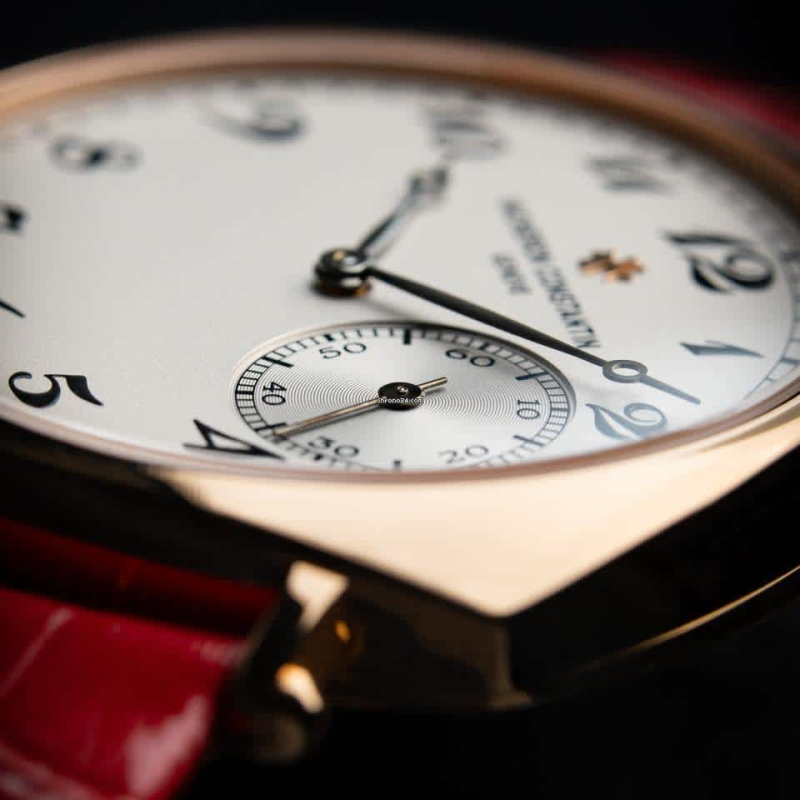
The dial is rotated approximately 45 degrees clockwise. Time is still read in the usual way, but the visual weight shifts. The small seconds register sits in the lower left, almost like an anchor balancing the empty upper right quadrant. This asymmetric equilibrium is part of what makes the watch so mesmerizing on the wrist.
From a functional perspective, this diagonal layout is the mechanical expression of the driver’s watch idea. From an aesthetic standpoint, it creates a dynamic sense of motion—like a still image captured mid‑turn.
The Crown at 1:30 and Breguet Numerals
The crown at 1:30 reinforces the rotated theme. It also improves comfort: instead of digging into the back of the hand, the crown sits neatly in the corner of the case. Visually, it becomes part of the overall diagonal line running through the watch.
Layered on top of this unconventional architecture are Breguet numerals—finely drawn, looping Arabic figures—and traditional leaf hands. This typographic choice keeps the watch firmly anchored in classical watchmaking, preventing it from drifting into novelty territory.
Technical Excellence: Inside the Caliber 4400 AS
While the dial and case get the attention, the movement is what makes the American 1921 a true high horology watch rather than a design exercise.
Manual Winding as a Ritual
Inside beats the in‑house Caliber 4400 AS, a hand‑wound movement with a power reserve of around 65 hours. In a world of automatics, hand-winding becomes an intentional daily (or every‑other‑day) ritual. This fits the personality of the watch perfectly: you don’t “consume” this piece; you interact with it.
For many owners, that short moment each morning—feeling the crown turn, sensing the mainspring tighten—is part of the emotional connection that justifies choosing a manual driver’s watch over a more convenient automatic.
The Geneva Seal (Poinçon de Genève)
The 4400 AS carries the Geneva Seal, one of the strictest certifications in traditional watchmaking. This hallmark goes far beyond timekeeping accuracy. It dictates how the movement must be finished: beveled bridges, polished screw heads, sharp interior angles, and clean stripes or perlage on visible surfaces.
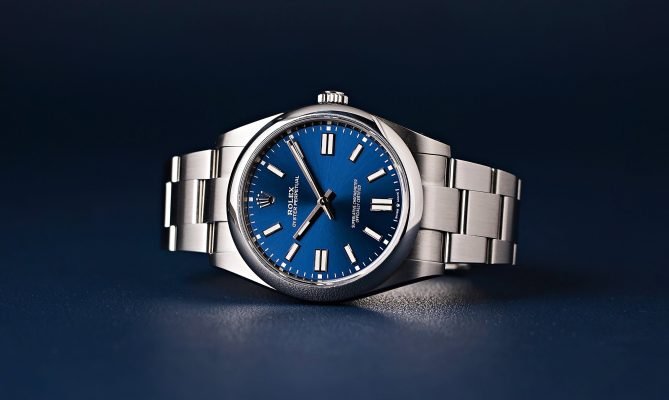
Compared to brands like Rolex or Omega, which focus on robustness and precision, Vacheron’s Geneva Seal finishing is almost sculptural. Flip the American 1921 over, and the caseback reveals a movement that looks like a miniature city of bridges and plates—every edge softened and polished by hand.
Thinness and Comfort
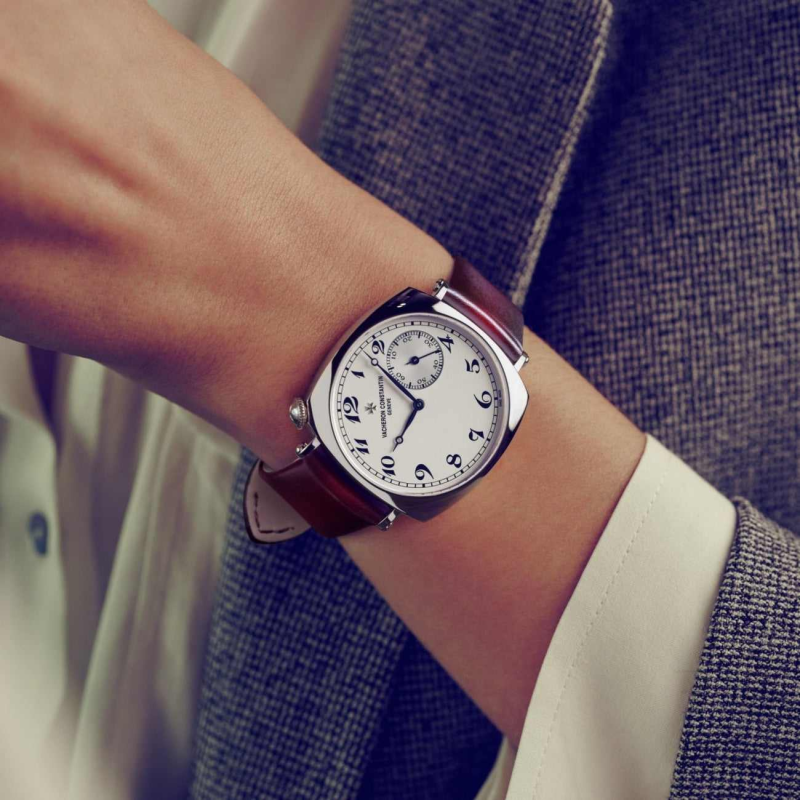
Despite this level of finishing, the 4400 AS remains slim. The overall case thickness of the 40 mm American 1921 hovers around 8 mm, allowing it to slide under a shirt cuff as easily as any classic dress watch. The smaller 36.5 mm variant is even more discreet.
Combined with the curved lugs and relatively compact lug‑to‑lug distance, the watch sits low and stable on the wrist. It fulfills the two core demands of a dress watch—elegance and comfort—while looking like nothing else.
The Modern Collection: Choosing the Right Model
40 mm vs. 36.5 mm: The Size Debate
In the current lineup, the two key sizes are 40 mm and 36.5 mm. Both work well, but they send slightly different messages.
- 36.5 mm: Feels close to vintage proportions, especially faithful to the 1920s spirit. Ideal for wrists around 15–17 cm (5.9–6.7 inches). On many men and most women, it reads as effortlessly chic rather than “small.”
- 40 mm: Feels more contemporary and assertive. Suits wrists around 17–19 cm (6.7–7.5 inches) or anyone used to modern Calatrava or Day‑Date sizing.
Because the case is cushion‑shaped, trying both is strongly recommended; specs on paper can be misleading.
Precious Metals: White Gold vs. Pink Gold vs. Platinum
The American 1921 is offered primarily in precious metals:
- Pink gold emphasizes the Roaring Twenties, Gatsby‑esque side of the design. Warm, romantic, and eye‑catching in candlelight.
- White gold (or platinum) shifts the watch into “stealth wealth” territory—especially on a dark strap, it can pass unnoticed to non‑watch people.
- Platinum references tend to be the rarest and most collectible, often paired with subtle dial changes and slightly heavier wrist feel.
For many seasoned collectors, a platinum American 1921 in 36.5 mm represents the end‑game configuration: compact, heavy, extremely refined, and invisible to anyone not in the know.
Investment Value and Market Position
Vacheron Constantin vs. the Hype Market
Unlike steel Patek sports models or certain Rolex references, the American 1921 is not a hype piece. On the secondary market, prices generally track close to retail with modest depreciation when buying new and solid stability for well‑kept pre‑owned pieces.
This makes it more of a store of value than a speculative asset. You are unlikely to double your money; you are equally unlikely to lose half of it in a fashion-driven correction. For collectors who prioritize horology over flipping, that stability is a feature, not a bug.
Who Is the American 1921 Customer?
The typical buyer already owns one or more mainstream icons: a Rolex professional model, a Reverso, maybe an integrated‑bracelet sports watch. The American 1921 enters the collection as a statement of quiet luxury—a way to show that your taste has moved beyond algorithms and waitlists.
This is the watch for someone who wants friends at a dinner table to lean in and ask, “What is that?” rather than shout across the room.
Comparison: American 1921 vs. Other Iconic Dress Watches
VC American 1921 vs. Cartier Santos‑Dumont
Both watches owe their existence to the early 20th century and the rise of purpose-built wristwatches. The Santos‑Dumont comes from aviation, with square/rectangular lines and visible screws. The American 1921 is born from motoring, with a rotated dial and cushion case.
Cartier leans into jewelry‑like thinness and Parisian elegance; Vacheron leans into mechanical boldness and Geneva Seal finishing. If the Santos‑Dumont is the gentleman pilot’s formal watch, the American 1921 is the gentleman driver’s.
VC American 1921 vs. Patek Philippe Calatrava
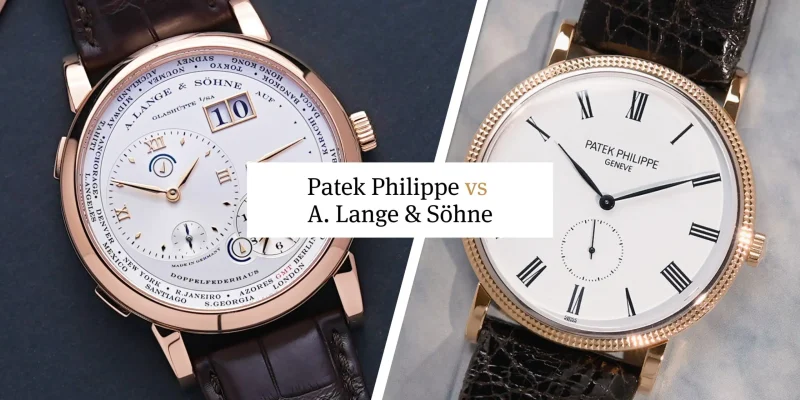
The Patek Calatrava is the archetypal conservative dress watch: centered dial, orthodox proportions, minimal risk. It works everywhere, offends no one, and has immense brand gravity.
The American 1921 occupies the opposite niche: same level of craft, far more personality. Choosing it over a Calatrava is choosing eccentricity over convention. Both are right; it depends on whether you want to blend in or stand slightly apart.
Frequently Asked Questions (FAQ)
Why is the Vacheron Constantin dial rotated?
The dial is rotated roughly 45 degrees to function as a driver’s watch. With your hands on a steering wheel and the watch on your left wrist, the 12 o’clock marker appears near the top of your visual field, allowing you to read the time without twisting your arm.
Is the Vacheron American 1921 a dress watch?
Yes. Despite its unconventional dial, it checks all the dress‑watch boxes: precious metal case, slim profile, leather strap, and a hand‑wound, Geneva Seal movement. It wears perfectly with tailoring and formal attire.
Does the American 1921 hold its value?
Historically, it has shown good value retention with modest depreciation from retail and relatively low volatility. Platinum and rarer references tend to be especially strong. It’s better seen as a long‑term keeper than a short‑term flip.
What is the lug‑to‑lug size of the VC 1921?
Exact figures vary slightly by reference, but the 40 mm American 1921 typically has a lug‑to‑lug around the high‑40 mm range, while the 36.5 mm sits in the low‑40 mm range. Thanks to the cushion case and curved lugs, both wear smaller than their nominal diameter suggests.
Conclusion: A Masterpiece for the Non‑Conformist
The Vacheron Constantin Historiques American 1921 occupies a rare space in modern watchmaking. It is simultaneously a driver’s watch, a heritage re‑creation, and a high horology dress piece. Its tilted dial and corner crown make it unmistakable; its Geneva Seal movement and precious‑metal construction make it undeniably serious.
For the collector who wants their next watch to say “I care about design and history more than hype,” there are few pieces that deliver more convincingly than the American 1921.
 Free Shipping for all orders