


Blog, Patek Philippe
Patek Philippe: Why It’s Considered the Ultimate Luxury Watch Brand
Aug
Walk into any high-end jewelry store in Manhattan or Beverly Hills. Behind bulletproof glass sits a Patek Philippe — price tags starting where most cars end. But here’s the thing: those watches sell faster than they can be made.
What makes Swiss-made Patek Philippe the ultimate luxury watch brand isn’t just the sticker shock. It’s something deeper. While other luxury brands chase trends and social media buzz, Patek quietly builds the kind of timepieces that make millionaires wait eight years just to buy one.
Revolutionary Innovations That Define Modern Watchmaking
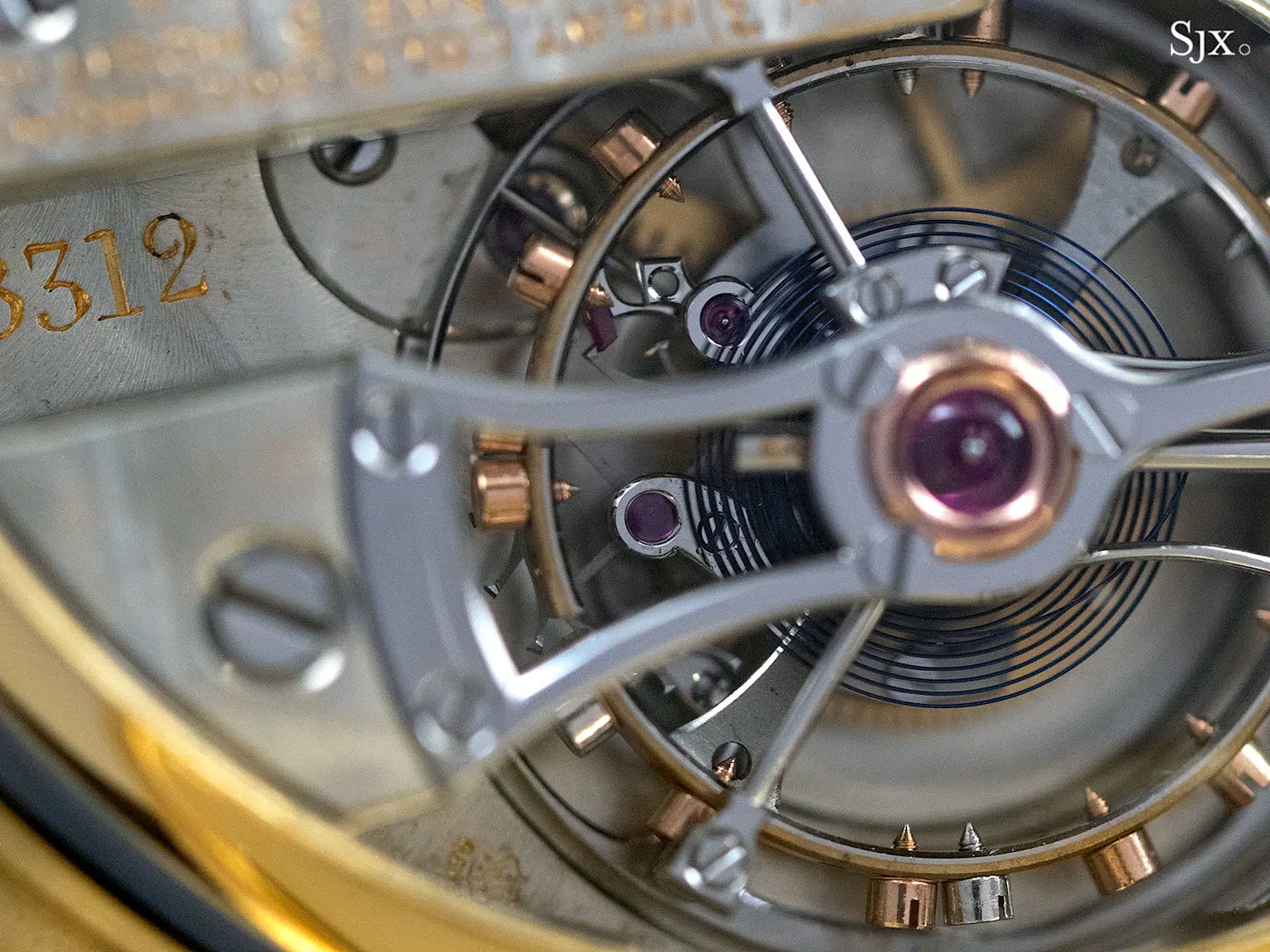
Patek Philippe doesn’t just make watches — they reinvent how we think about time itself. While others focus on looks, Patek engineers spend decades perfecting movements that would make a NASA engineer jealous.
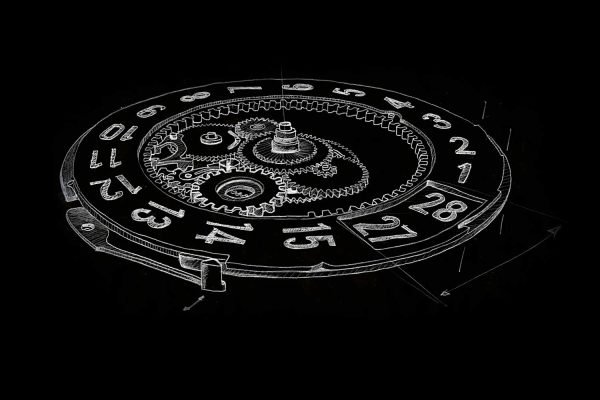
Take their perpetual calendar complication. Most “smart” devices can barely track leap years correctly. Patek’s mechanical brain? It won’t need adjustment until 2100. That’s not a computer chip — that’s 508 hand-assembled components working in perfect harmony.
Their tourbillon movements are pure poetry in motion. Originally invented to counter gravity’s effects on pocket watches, Patek transformed this 200-year-old concept into wristwatch art. Each component is hand-finished to tolerances measured in fractions of human hair width.
But here’s where things get crazy: their minute repeater complications. These mechanical marvels chime the time on demand using tiny hammers striking gold gongs. No batteries. No electronics. Just centuries-old craftsmanship that creates sound so pure, collectors describe it as “liquid gold hitting crystal.”
The Caliber R TO 27 PS QR powering their triple complications combines minute repeater, tourbillon, and perpetual calendar in a single movement. Think about that — three of watchmaking’s most complex functions working together in a space smaller than a silver dollar.
Their latest innovation? The Grandmaster Chime with 20 complications. It doesn’t just tell time — it performs acoustic symphonies on your wrist while tracking lunar cycles, leap years, and multiple time zones simultaneously.
The Economics of Extreme Scarcity
Here’s what separates Patek from every other luxury brand: they could easily make more watches. They choose not to.
Annual production? A mere 62,000 pieces worldwide. To put that in perspective, Rolex cranks out over a million watches annually. Omega produces 500,000. Patek? They’d rather keep you waiting.
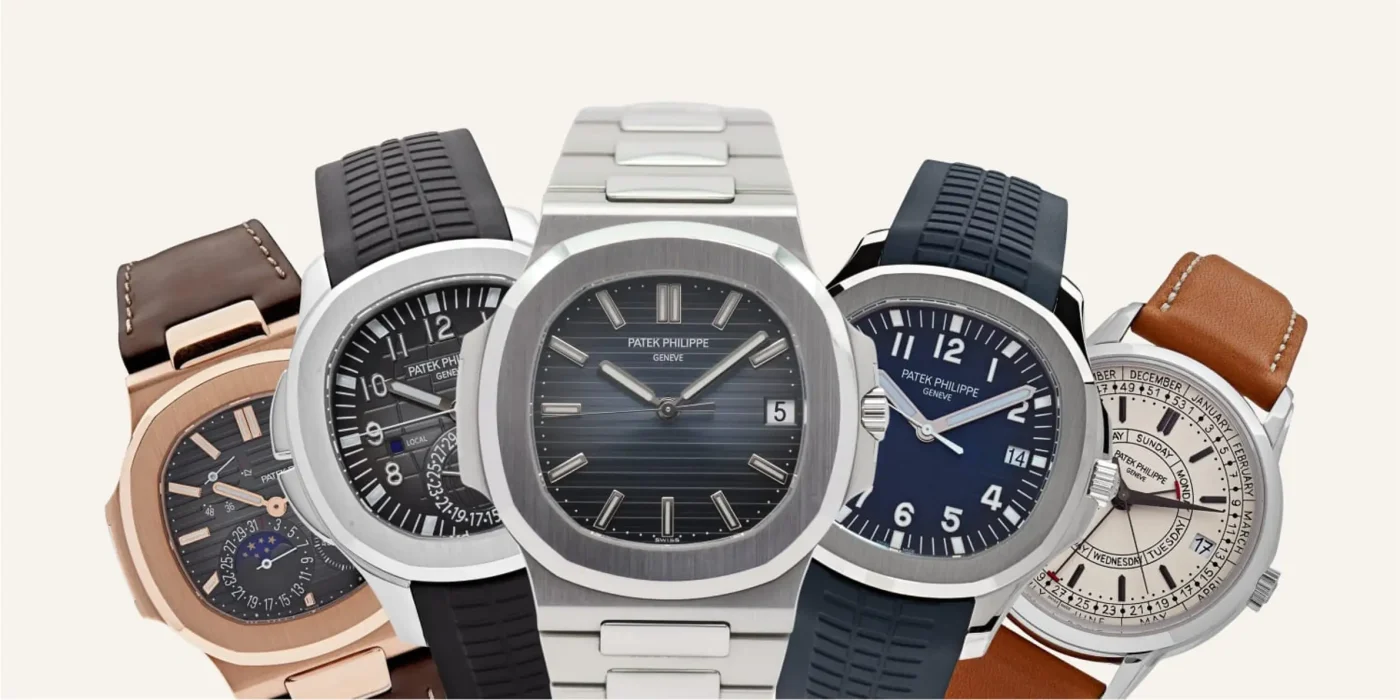
This isn’t accidental scarcity marketing. It’s deliberate exclusivity engineering. The waiting list for a steel Nautilus stretches eight years minimum. That’s not a supply chain problem — that’s Patek telling the world that their timepieces aren’t for everyone.
Consider the numbers: with global demand exploding and production capped at 72,000 pieces by 2025, simple math tells the story. There are approximately 56 million millionaires worldwide. Patek makes enough watches for roughly 0.1% of them annually.
The result? Certain models appreciate faster than Manhattan real estate. A Calatrava 5226G retails for $32,380 but trades on the secondary market for $40,000 — a 25% premium before you even leave the store.
Limited editions disappear before most people know they exist. The recent 5330G World Time was initially limited to 300 pieces for Japan only. When it entered general production, demand still outstripped supply by astronomical margins.
This scarcity creates a fascinating psychological effect among collectors. Owning a Patek isn’t just about having a nice watch — it’s about joining an impossibly exclusive club where membership can’t be bought with money alone.
Artisanal Finishing That Reaches Perfection
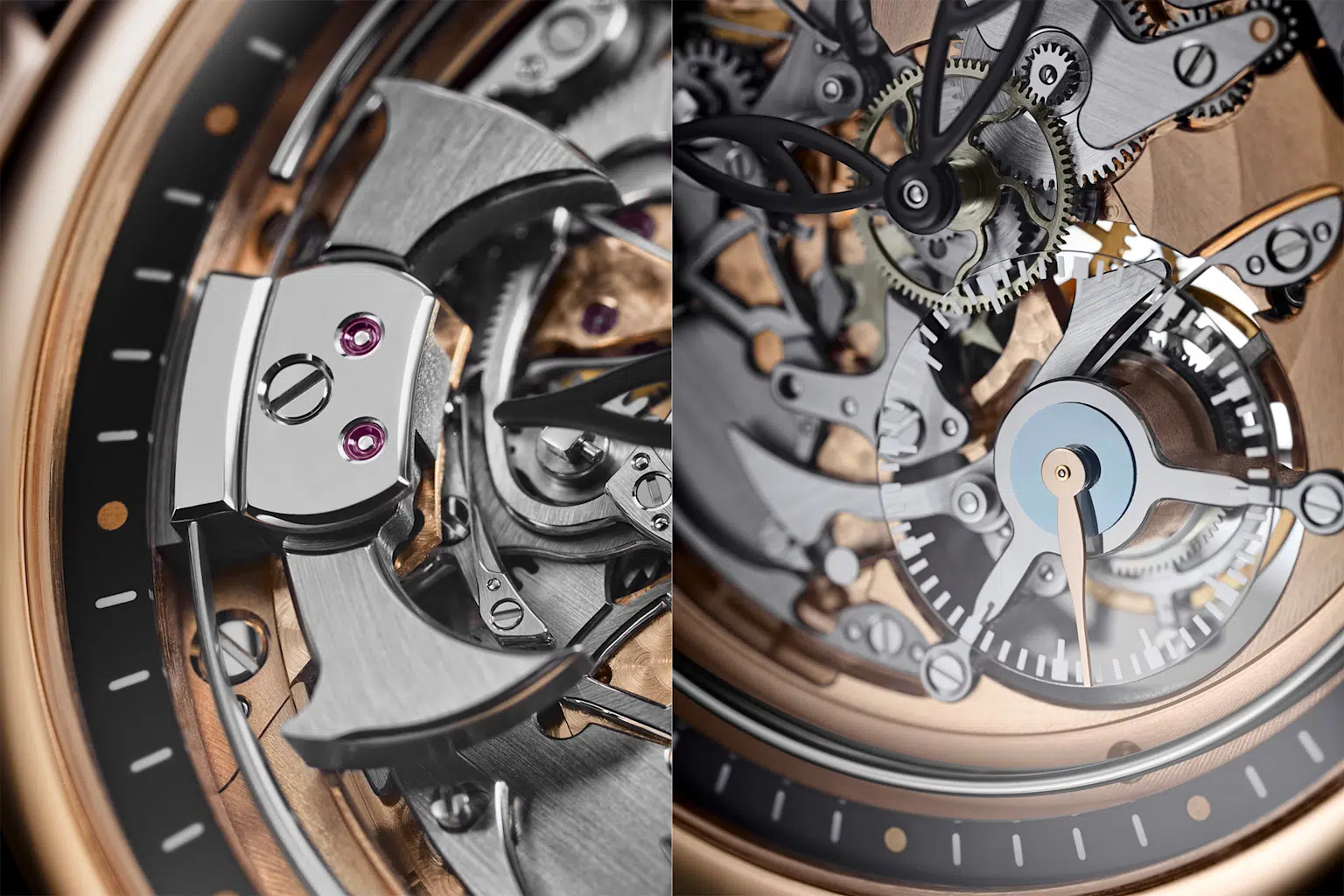
Step inside Patek’s Geneva workshops and you’ll witness something almost extinct in our digital world: pure human craftsmanship elevated to art.
Their hand-finishing techniques read like a master class in lost arts. Anglage — the 45-degree beveling of movement edges — requires years of training to master. One wrong move destroys months of work. The result? Mirror-polished chamfers that catch light like precious gems.
Côtes de Genève striping isn’t just decoration — it’s functional art. These perfectly parallel lines trap dust particles that could interfere with the movement’s precision. Applied by hand on a lathe, each stripe must align perfectly with its neighbors. Mass-produced movements use CNC machines. Patek artisans use century-old techniques.
Black polishing represents the pinnacle of finishing difficulty. Achieving that deep, mirror-black surface on steel components can take hours per piece. The slightest imperfection shows instantly. Temperature and humidity affect the process. Master polishers can identify peak polish by sound alone.
The Patek Philippe Seal, introduced in 2009, exceeds even the legendary Geneva Seal’s requirements. It demands -1/+2 seconds daily accuracy — tighter than a Swiss chronometer. Every component, from the smallest screw to the largest bridge, must meet standards that would make other manufacturers weep.
Circular graining (perlage) creates those mesmerizing overlapping circles on movement plates. Done by hand using wooden rods and abrasive paste, each “pearl” must overlap precisely with its neighbors. The pattern serves both beauty and function — trapping microscopic debris that could damage the movement.
What’s remarkable? Patek finishes components that customers will never see. Internal bridges receive the same meticulous attention as visible surfaces. This isn’t marketing — it’s obsession with perfection that borders on the pathological.
Investment Performance That Outshines Stocks
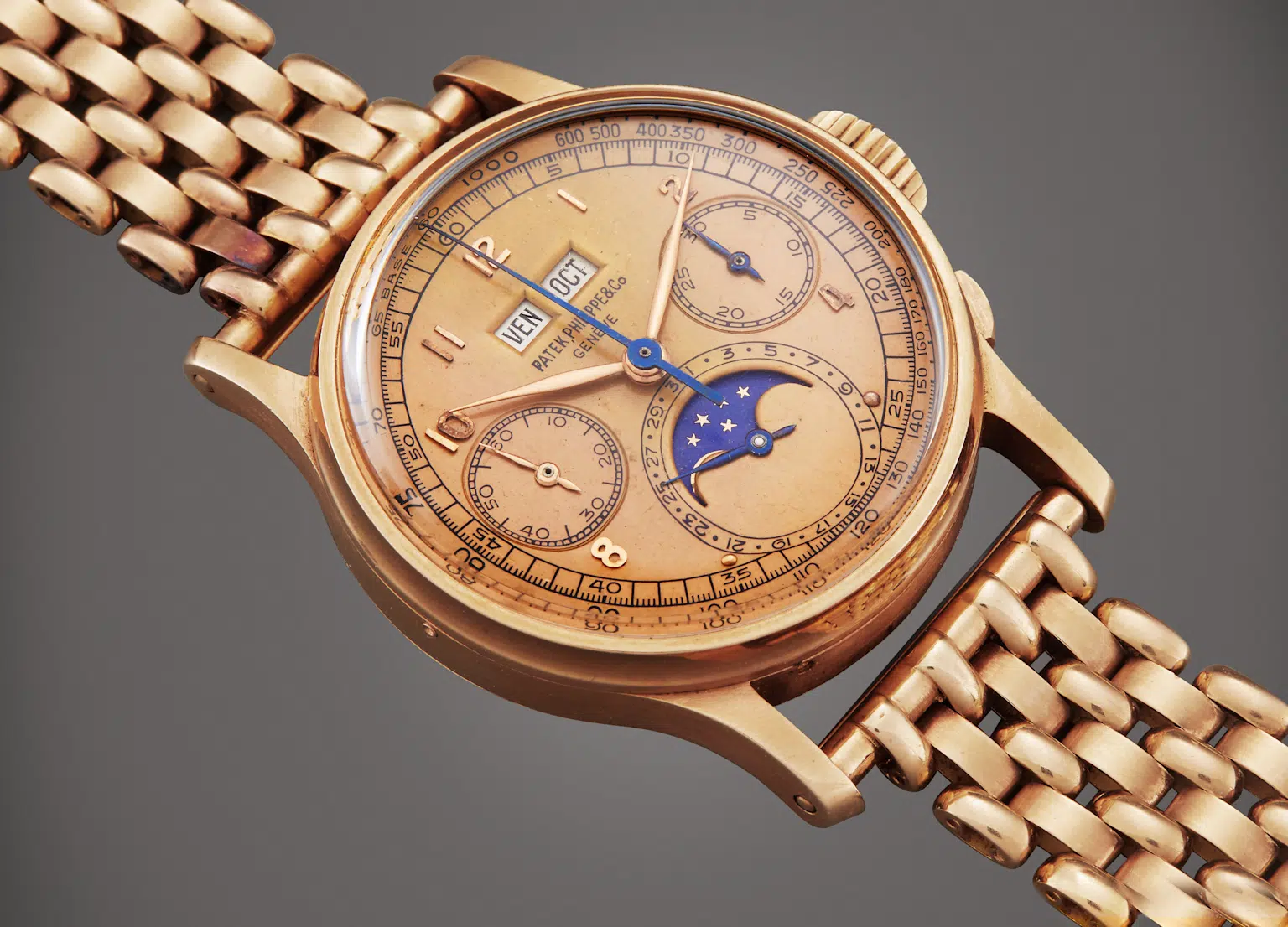
Forget Bitcoin. Forget Tesla. The smart money whispers about Patek Philippe returns that make Wall Street jealous.
The numbers tell an incredible story. The 2019 Grandmaster Chime 6300A-010 sold for $31.19 million at Only Watch — originally retailing for just $2.6 million. That’s a 1,100% return. Try finding that performance in your 401k.
But the real investment magic happens in the secondary market. Patek watches retain approximately 130.7% of retail value on average. Most luxury goods depreciate the moment you walk out the door. Patek appreciates while sitting in your safe.
Recent auction results prove this isn’t speculation:
- 2024 brought a steel Patek Philippe 6301A selling for $15.7 million
- Vintage Reference 2499 chronographs now command over $7 million
- Even “entry-level” complications appreciate 25-30% annually
The 2022 “Nevadian Collector” auction showcased 38 vintage Pateks, many selling for multiples of their original prices. A 1957 Reference 2499 in rose gold achieved HKD 60 million ($7.68 million) — likely 100 times its original retail price.
What drives these returns? Mathematical scarcity meets exponential demand. As global wealth increases, the pool of potential Patek buyers expands. Production remains static. Basic economics predicts the outcome.
Certain models perform even better. The discontinued Nautilus 5711 skyrocketed after production ended. The Aquanaut 5167A consistently trades above retail. Grand Complications with unique features command premiums that defy logic.
Smart collectors understand Patek’s investment thesis: buy the scarcest, best-conditioned examples with complete documentation. Hold for decades. Watch compound returns that shame traditional investments.
Even financial institutions recognize Patek’s investment potential. Luxury watch funds now exist specifically to capitalize on Patek appreciation. When banks start treating watches like securities, you know something fundamental has shifted.
Status Beyond Status — Cultural Significance That Transcends Wealth
In elite circles worldwide, the Patek Philippe isn’t jewelry — it’s a passport.
Walk into a private equity boardroom. Glance around the conference table. Count the subtle flash of salmon-colored dials and integrated bracelets. These aren’t coincidences. In the language of extreme wealth, Patek Philippe speaks fluent power.
The brand’s famous tagline captures something profound about generational wealth: “You never actually own a Patek Philippe. You merely look after it for the next generation”. This isn’t marketing copy — it’s philosophy. While nouveau riche flash Rolexes, old money quietly wears Patek.
Celebrity ownership reads like a Who’s Who of cultural influence. Brad Pitt owns multiple models including the Nautilus. Jay-Z collects Grand Complications and vintage pieces. LeBron James alternates between Aquanaut and Nautilus on and off court. Queen Elizabeth II chose Patek for its “timeless elegance”.
But here’s what’s fascinating: Patek owners don’t advertise their choice. The designs are intentionally understated. No giant logos. No flash. Just quiet confidence that whispers rather than shouts.
This discretion creates an insider’s game among the ultra-wealthy. Spotting a Patek requires knowledge. Recognition becomes a subtle form of social signaling — identifying others who understand true luxury.
The cultural cache extends beyond individual ownership. Patek Philippe represents something increasingly rare in our disposable world: permanence. In an era of planned obsolescence and quarterly earnings, owning something designed to outlast civilizations feels revolutionary.
Even the way Pateks are sold reinforces exclusivity. No walk-ins. No impulse purchases. Authorized dealers maintain client relationships spanning decades. Getting offered a rare model requires years of loyalty and significant purchase history.
The brand deliberately cultivates mystique through limited access and controlled distribution. This isn’t snobbery — it’s brand positioning that makes Hermès look accessible.
Why Patek Philippe Reigns Supreme
Walking through Geneva’s luxury district, you’ll pass dozens of prestigious watchmakers. Vacheron Constantin. Audemars Piguet. Jaeger-LeCoultre. All exceptional. None quite touch Patek’s combination of innovation, scarcity, craftsmanship, investment potential, and cultural significance.
The mathematics of Patek’s supremacy aren’t complicated. Limited production meets unlimited demand. Centuries of heritage combine with cutting-edge innovation. Investment returns that embarrass hedge funds merge with social status that money alone can’t buy.
Whether you’re building a serious collection, seeking generational wealth storage, or simply want to wear history on your wrist, Patek Philippe represents horological perfection. In a world of mass production and planned obsolescence, they remain gloriously, stubbornly, impossibly exclusive.
As their waiting lists grow longer and their prices climb higher, one truth becomes crystal clear: in the luxury watch universe, Patek Philippe isn’t just the king — it’s the entire kingdom.
Frequently Asked Questions
Patek Philippe stands out for its unmatched craftsmanship, ultra-limited production, and enduring value. Unlike trend-driven brands, it focuses on timeless engineering and heritage, with some buyers waiting up to eight years for a single piece.
Patek Philippe is renowned for horological innovations like perpetual calendars, tourbillons, and minute repeaters — all mechanically executed without electronics. Their Grandmaster Chime features 20 complications, showcasing precision that rivals aerospace engineering.
Patek deliberately limits production to around 62,000 watches annually, creating massive demand among collectors. Some models, like the Nautilus, have waiting lists of over eight years, driving resale premiums and long-term appreciation.
Yes — Patek Philippe watches consistently outperform traditional investments, with some models appreciating over 1000% at auction. They retain an average of 130.7% of retail value, making them one of the most reliable assets in the luxury market.
Every component is finished by hand using techniques like anglage, black polishing, and Côtes de Genève striping. Even parts never seen by the wearer meet the brand’s exacting standards, reflecting an obsession with perfection.
Patek is favored by cultural icons like Jay-Z, Brad Pitt, LeBron James, and even Queen Elizabeth II. Known for understated elegance, these watches signal wealth and sophistication without overt branding.
While brands like Rolex and Audemars Piguet are prestigious, Patek Philippe surpasses them through a unique mix of heritage, technical mastery, scarcity, and resale performance — making it the most coveted name in high-end watchmaking.
 Free Shipping for all orders