







Blog, Hublot, Rolex
Watch Bezel Guide: Complete Breakdown of Unidirectional, Bidirectional, and Fixed Bezels

Aug
Watch bezels serve as both functional tools and aesthetic elements that define a timepiece’s character and purpose. Understanding the mechanics, applications, and maintenance requirements of different bezel types is essential for choosing the right watch for your needs and ensuring its longevity.
Mechanics of Bezel Rotation
The mechanical systems that enable bezel rotation are sophisticated engineering solutions designed for specific purposes. Unidirectional bezels rotate exclusively counterclockwise using a ratcheting mechanism with click springs that engage teeth on the bezel ring. This system typically employs 60 to 120 click positions, with each click representing precise incremental movement. The ratcheting mechanism consists of spring-loaded pawls that engage with teeth cut into the bezel’s underside, creating the characteristic clicking sensation and preventing the bezel from moving accidentally in the wrong direction.
Bidirectional bezels utilize a different mechanism that allows rotation in both clockwise and counterclockwise directions. These systems often employ dual spring assemblies or alternate spring configurations to provide secure positioning regardless of rotation direction. The click count varies depending on the intended use – GMT bezels typically feature 120 clicks to allow precise half-hour adjustments for time zone calculations.
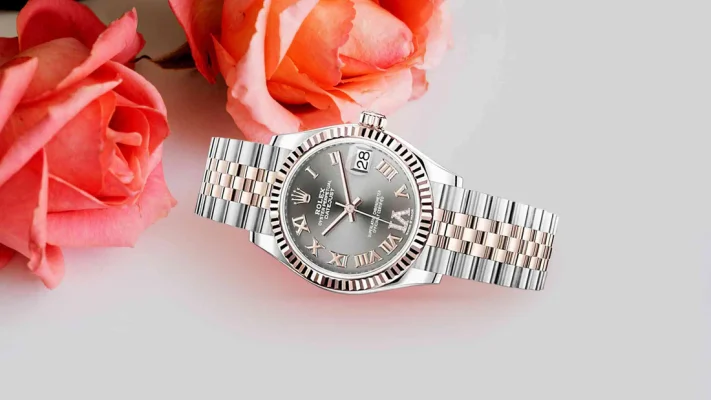
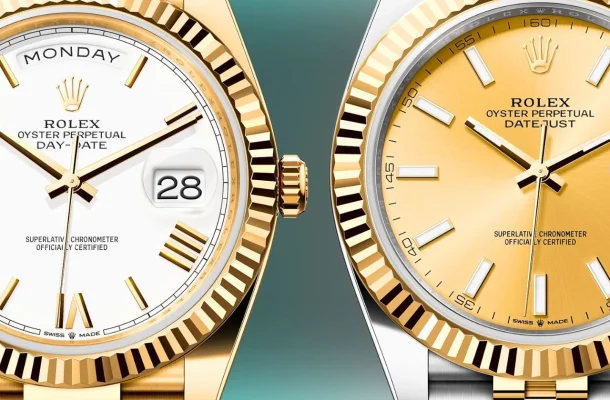
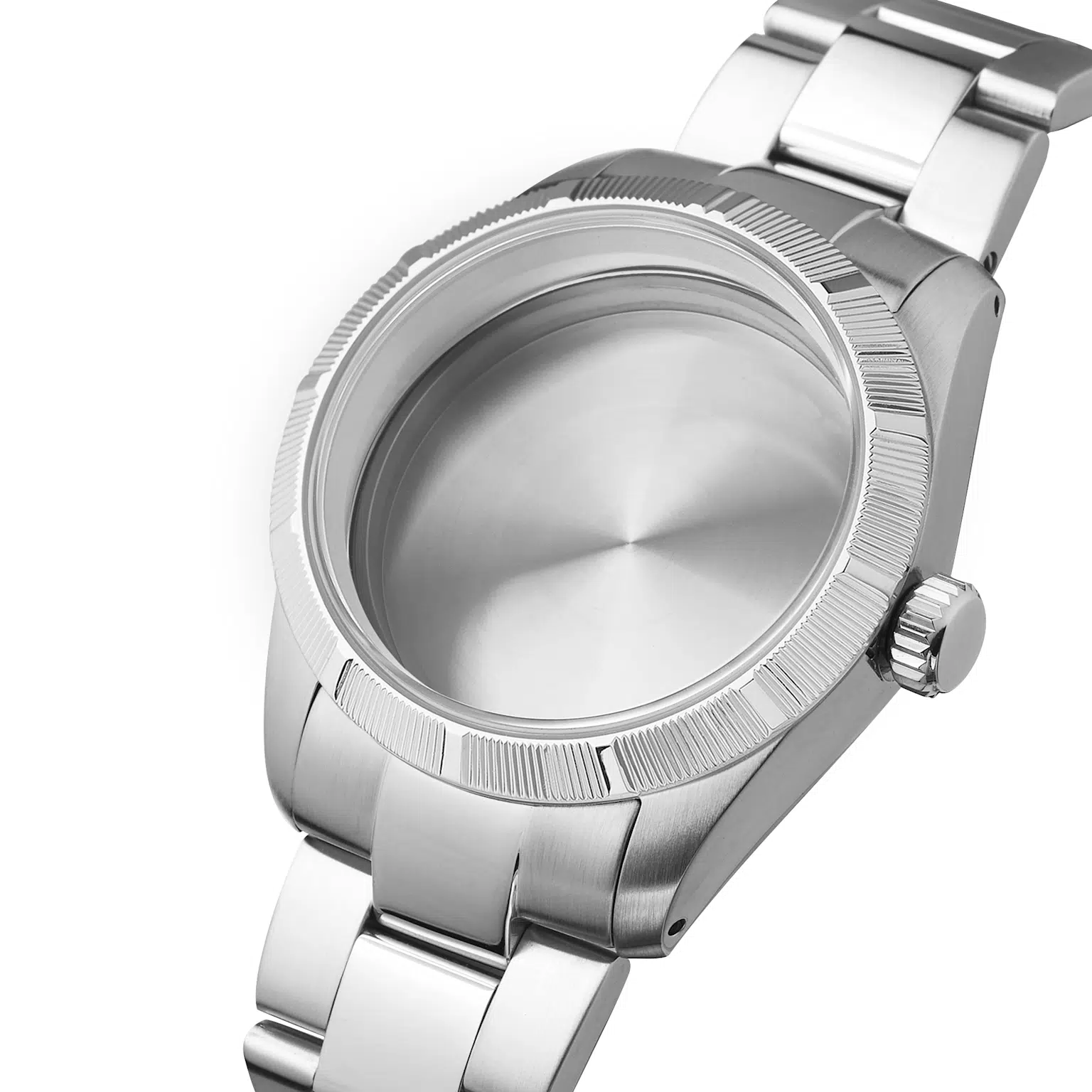
Fixed bezels contain no rotating mechanism whatsoever, instead relying on a pressed-fit or threaded attachment to the case. These serve primarily aesthetic and protective functions, securing the crystal while providing design elements like fluted edges, gem settings, or decorative patterns.

The direction of rotation matters critically for safety. Unidirectional systems prevent accidental adjustment that could extend apparent elapsed time, while bidirectional systems offer versatility for calculations and multiple time zone tracking.
Use Cases in Diving, Aviation, and Everyday Wear
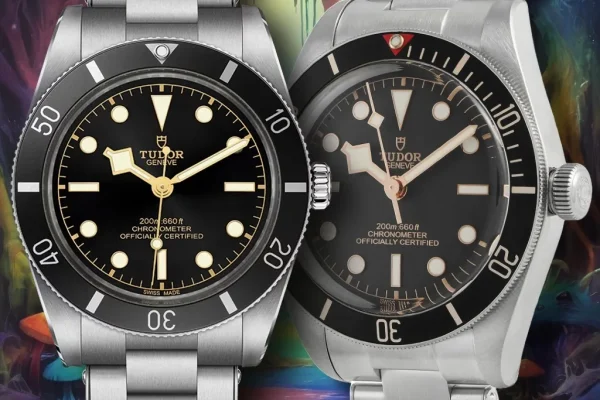
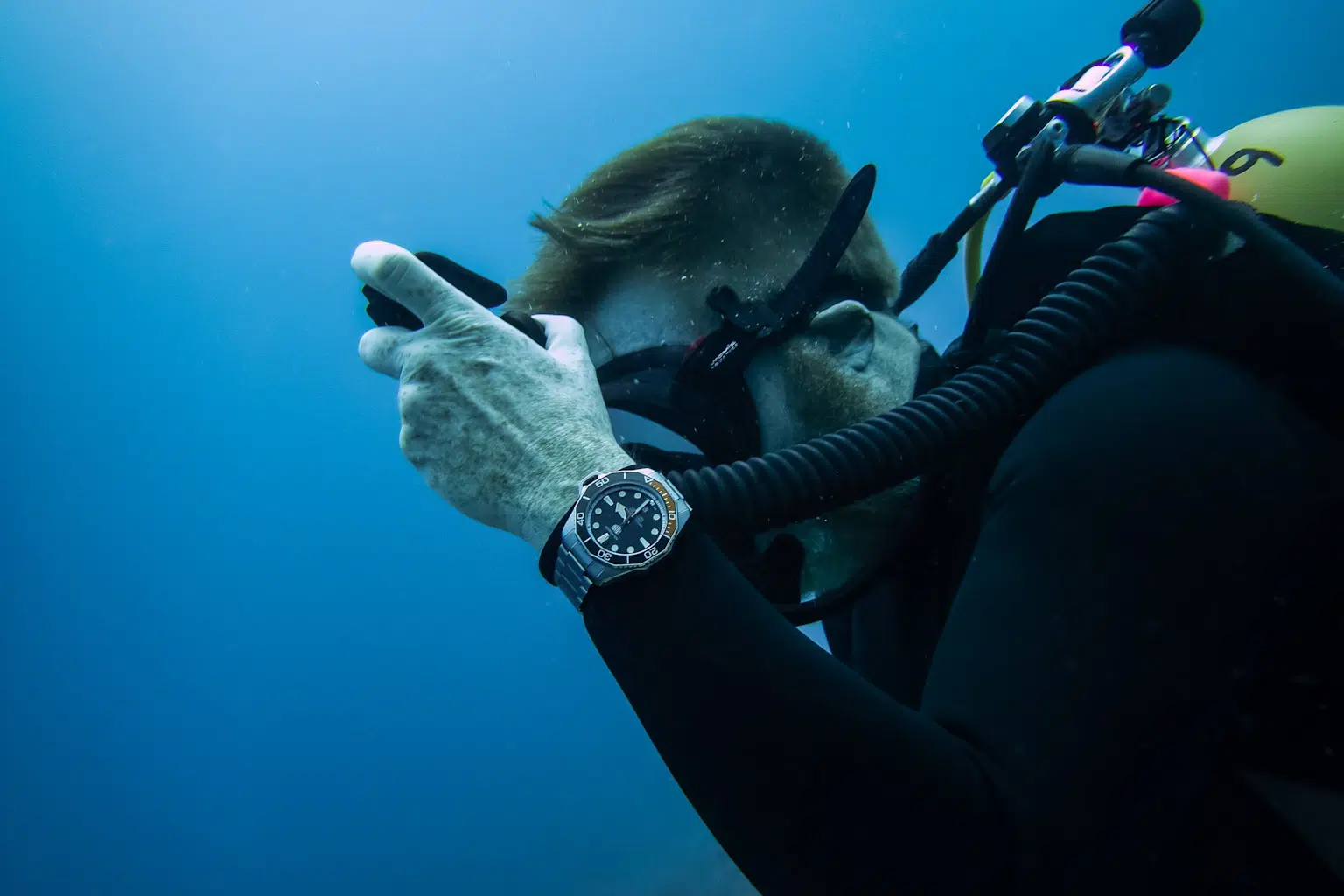
Diving Applications: Unidirectional bezels are mandatory safety equipment for serious diving watches, meeting ISO 6425 standards. Divers align the zero marker with the minute hand at dive start, allowing continuous monitoring of elapsed time. The counterclockwise-only rotation ensures that accidental impacts can only decrease the apparent dive time, providing a safety margin rather than creating dangerous miscalculations. Professional divers rely on bezels to track decompression stops and manage air supply, making accuracy literally a matter of life and death.
Aviation Uses: Pilot watches employ bidirectional bezels for flight calculations and navigation. These bezels assist with fuel consumption calculations, time-speed-distance computations, and dead reckoning navigation. Slide rule bezels on aviation watches replicate the E6B flight computer functionality, enabling complex mathematical operations necessary for flight planning. Pilots also use bezels to track waypoint times and calculate estimated arrival times during visual flight rule operations.

Everyday Wear: Fixed bezels dominate casual timepieces, offering aesthetic appeal without functional complexity. These bezels may feature decorative elements like coin edges, fluted designs, or gem settings that enhance the watch’s visual impact. Many everyday watches also incorporate countdown bezels for timing daily activities like cooking, parking meters, or exercise intervals.

Safety and Risk Considerations
The most critical safety consideration involves diving scenarios where incorrect bezel movement could prove fatal. Unidirectional bezels specifically address this risk by ensuring that any accidental adjustment can only shorten the displayed time, never extend it. This design prevents divers from believing they have more bottom time or air supply than actually available.
Unsafe scenarios include bidirectional bezels on diving watches, which could accidentally rotate clockwise and show additional time. Similarly, worn or damaged click springs may allow bezels to move freely, compromising timing accuracy. Loose bezels that rotate too easily or tight bezels that resist movement both present safety concerns.
Safe practices require regular inspection of bezel operation before diving. The bezel should rotate smoothly with appropriate resistance – neither too loose nor too tight. Users must verify correct bezel positioning at the start of timed activities and periodically check alignment during use.

Additional safety considerations include avoiding bezel operation underwater (except for diving bezels), protecting the bezel from impacts that could damage the mechanism, and ensuring water resistance seals remain intact around rotating components.
Material and Design Variations
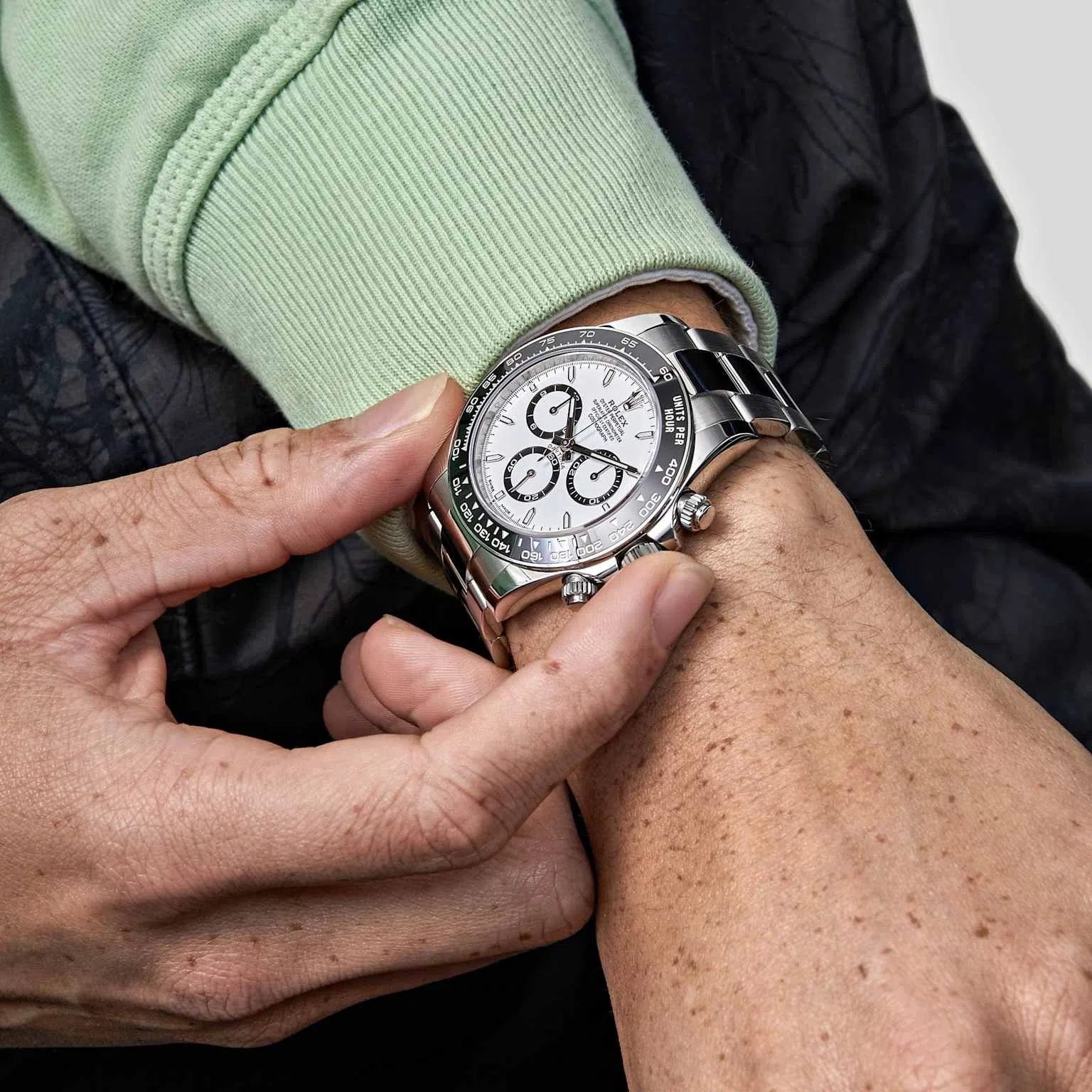
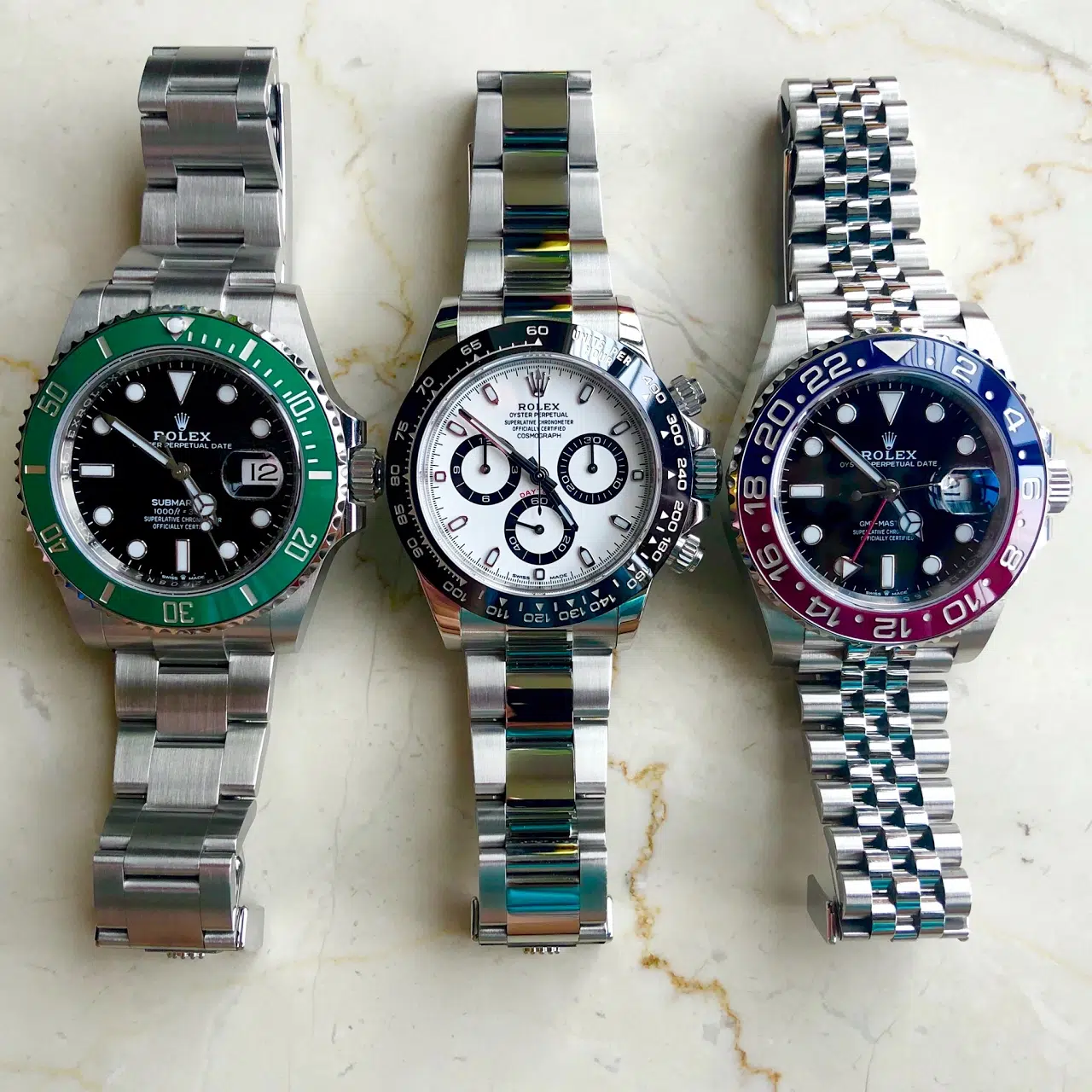
Modern bezels utilize three primary materials, each offering distinct advantages and limitations. Ceramic bezels have gained popularity for their exceptional scratch resistance and fade-proof properties. Rolex’s Cerachrom ceramic technology exemplifies this advancement, offering virtually scratch-proof surfaces that maintain their appearance indefinitely. However, ceramic’s brittleness makes it susceptible to cracking or shattering under severe impact.
Aluminum bezels remain popular for their lightweight properties and shock resistance. These develop attractive patina over time but are prone to scratching and fading. Anodized aluminum provides better durability and color retention, though the coating eventually wears through with heavy use.
Stainless steel bezels offer the most robust construction with excellent impact resistance. They provide visual continuity with steel cases and can accept various surface treatments like brushing or polishing. However, steel bezels are heavier than alternatives and may scratch more easily than ceramic options.
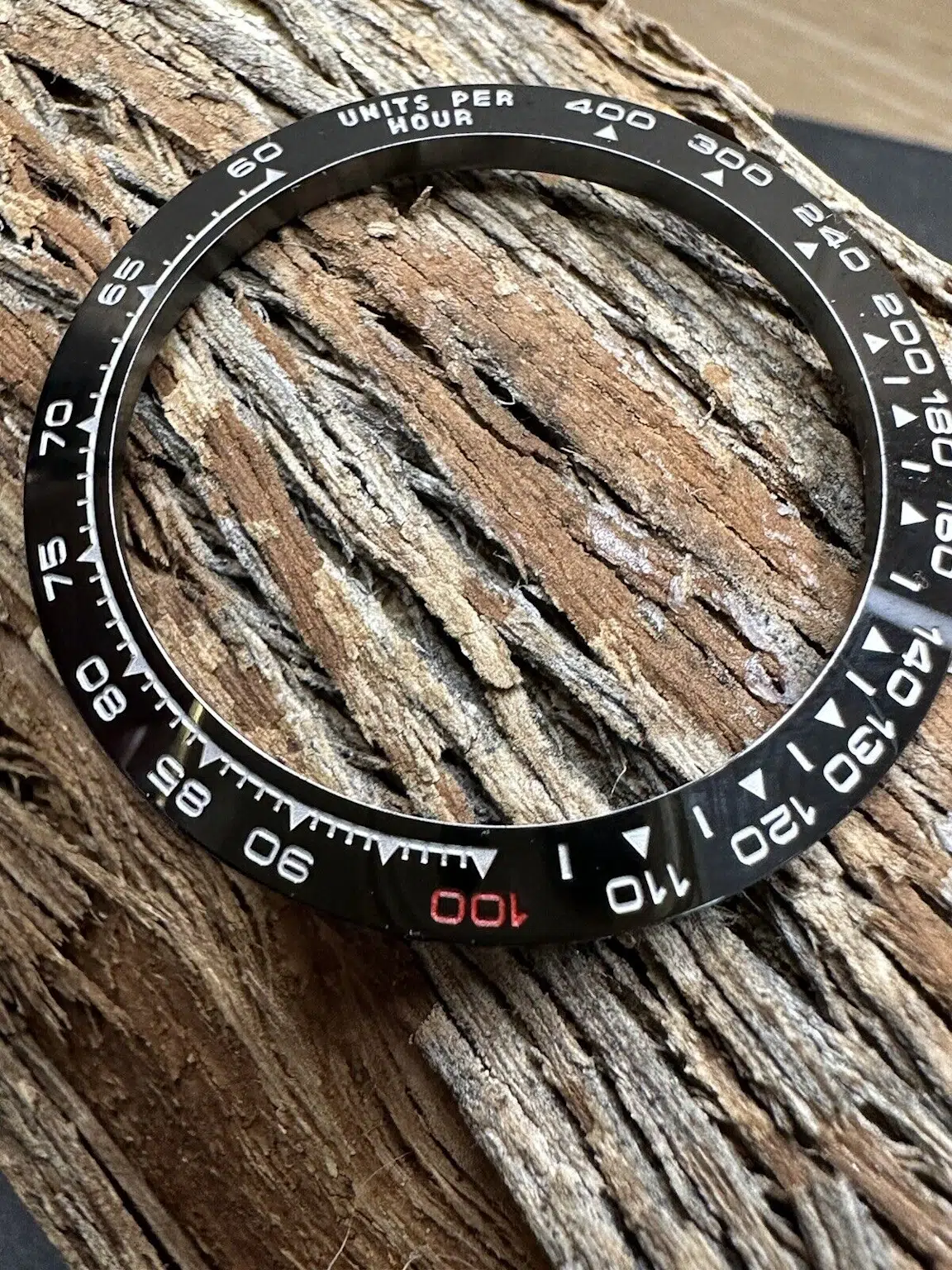
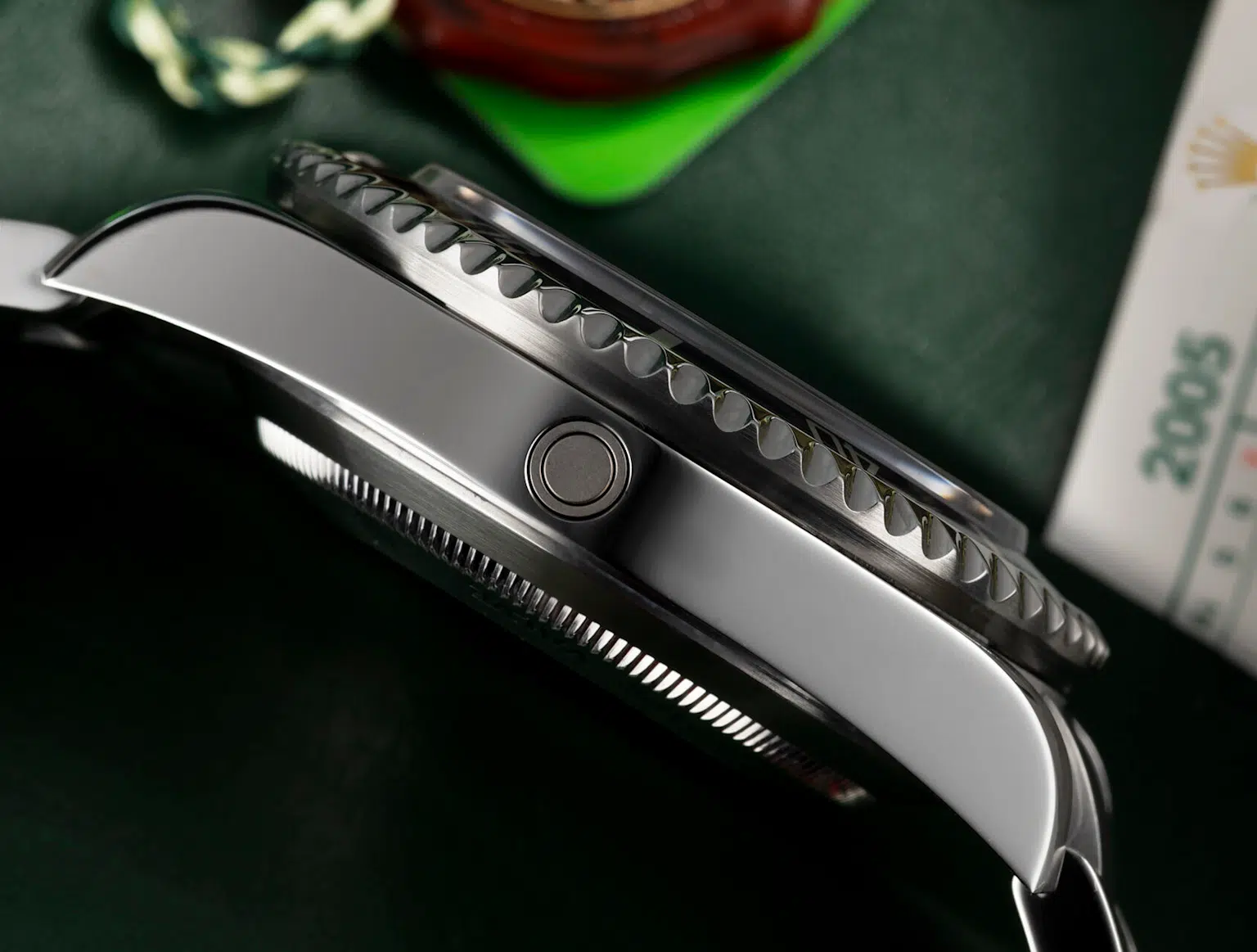
Lume pip design varies significantly across manufacturers and applications. Traditional luminous triangular markers provide maximum visibility in low light conditions. Some bezels feature multiple luminous elements, while others rely on single pip designs. The luminous material itself ranges from basic phosphorescent compounds to advanced Super-LumiNova formulations that provide extended glow duration.
Maintenance and Longevity
Proper bezel maintenance significantly extends component lifespan and ensures reliable operation. Cleaning procedures begin with water resistance verification, followed by gentle scrubbing with dish soap and a soft toothbrush. The process involves rotating the bezel while cleaning to work soapy water into the mechanism, followed by thorough rinsing and drying.
Wear patterns develop differently across materials. Ceramic bezels maintain their appearance longest but may develop stress fractures from impacts. Aluminum bezels show gradual wear through scratching and color fading. Steel bezels develop surface scratches but generally maintain structural integrity.
Lubrication requirements vary by design complexity. Diving bezels require periodic lubrication with low-viscosity silicone grease designed for watch applications. Never use petroleum-based lubricants, which can damage rubber gaskets and compromise water resistance. Professional service typically includes bezel mechanism cleaning, lubrication, and adjustment every 3-5 years.

Replacement considerations depend on material choice and usage patterns. Ceramic bezels, while durable, require complete replacement if cracked and represent the highest replacement cost. Aluminum inserts can be replaced relatively inexpensively, making them practical for high-wear applications. Steel bezels often can be refinished rather than replaced, extending their service life.
Regular maintenance includes checking for proper click spring tension, verifying smooth rotation without excessive play, and ensuring adequate water resistance sealing around rotating components. Signs requiring professional attention include bezels that won’t rotate, excessive looseness, or visible damage to click mechanisms.
Frequently Asked Questions
Watch bezels come in three types: unidirectional, bidirectional, and fixed. Unidirectional bezels rotate only counterclockwise for diving safety, bidirectional bezels rotate both ways for versatile timing like in aviation, and fixed bezels are non-rotating, serving decorative or protective roles.
Unidirectional bezels prevent overestimating dive time by only allowing the elapsed time to decrease if accidentally moved. This ensures divers don’t miscalculate air supply or bottom time, enhancing underwater safety.
Bidirectional bezels in pilot watches assist with flight calculations like fuel use, time-speed-distance, and navigation. Some feature slide rule functions that replicate tools like the E6B flight computer for in-flight math.
Fixed bezels are common in casual or dress watches, adding visual appeal without moving parts. They often feature decorative finishes like fluted edges or gem settings, emphasizing design over functionality.
Ceramic bezels are scratch-resistant but brittle, aluminum is lightweight and absorbs shock but fades, while stainless steel is highly durable and refinished easily, though prone to scratches.
Clean bezels with mild soap, water, and a soft brush, rotating the bezel to clear debris. Avoid petroleum lubricants, and have diving bezels serviced professionally every 3–5 years for lubrication and mechanical checks.
Bezel issues like looseness, jamming, or visible damage indicate a need for repair. Ceramic bezels must be fully replaced if cracked, while aluminum inserts are easy to swap and steel bezels can often be refinished.
 Free Shipping for all orders